


How Long Does a Roof Last? UK Lifespans by Material
It depends on the covering. Natural slate typically lasts 75 to 100 years or more, clay tiles 60 to 100 years and concrete tiles 40 to 60 years. Flat roofs are shorter: traditional felt usually lasts 10 to 20 years, GRP fibreglass 25 to 40 years and EPDM rubber 30 to 50 years. The battens, underlay, nails and flashings often wear out before the tiles or slates do.
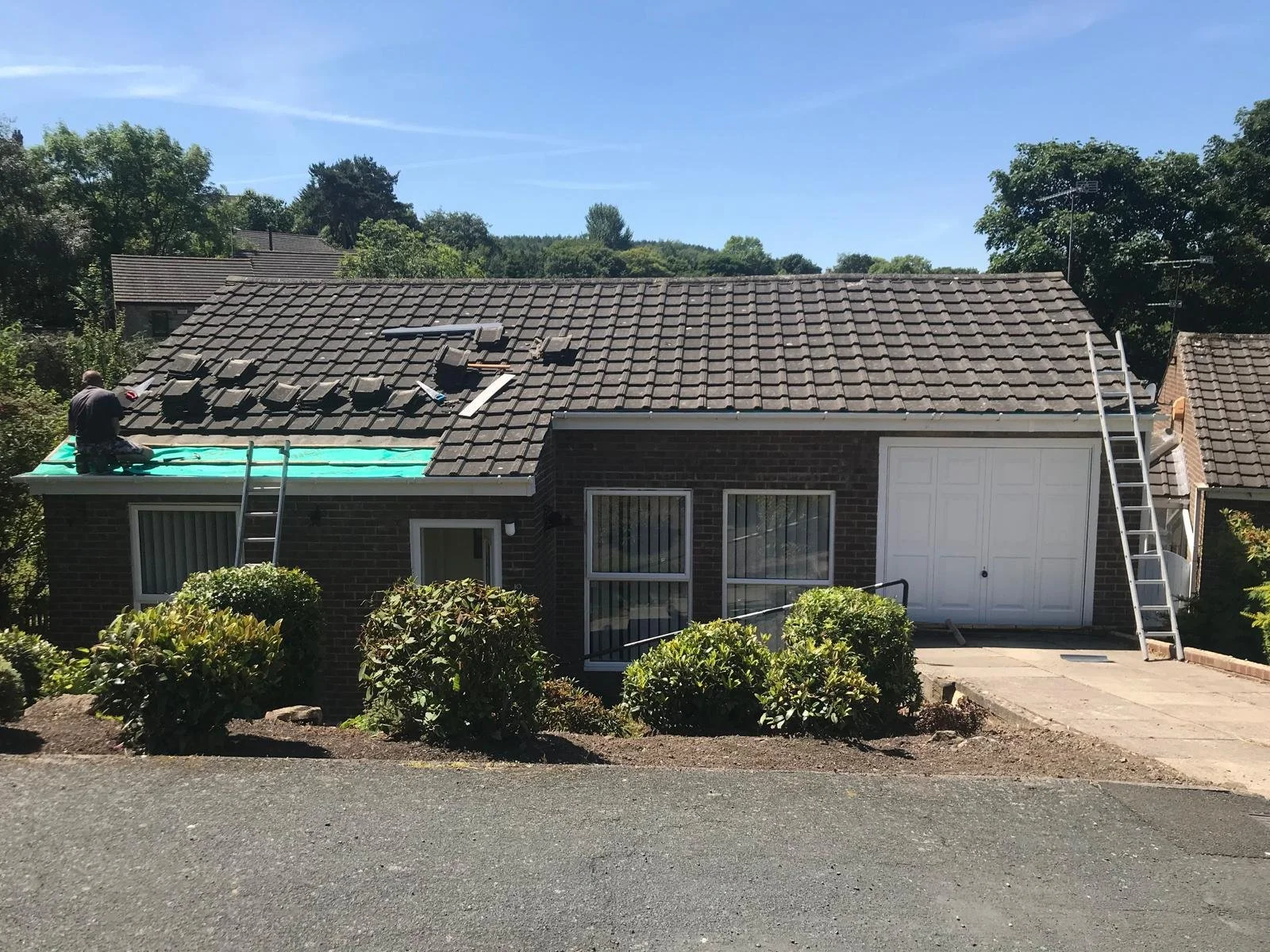
Knowing how long a roof lasts helps you decide whether to keep repairing it or start planning a replacement. The covering on top is only part of the answer. On most North East houses we survey, it is the fixings, underlay and flashings that decide when a roof is finished.
01/How long each roof covering lasts
| Covering | Typical lifespan | Common on |
|---|---|---|
| Natural slate | 75 – 100+ years | Victorian and Edwardian terraces |
| Clay plain tiles | 60 – 100 years | Period and interwar houses |
| Concrete interlocking tiles | 40 – 60 years | Post-war semis and estates |
| Fibre cement slates | 30 – 50 years | Budget re-roofs and newer builds |
| Felt flat roof | 10 – 20 years | Garages, dormers and extensions |
| GRP fibreglass flat roof | 25 – 40 years | Extensions and dormers |
| EPDM rubber flat roof | 30 – 50 years | Extensions, garages and flat-roofed estates |
These are typical ranges, not guarantees. A well-fitted roof in a sheltered spot can beat them. A poorly fitted roof on an exposed coastal street can fall well short. For help choosing a covering, see our slating and tiling page.
02/The parts that fail first
A slate can last a century, but the roof around it usually does not. These are the parts that tend to give up first:
- Nails. On older slate roofs the nails corrode long before the slates wear out, which is why slates start to slip.
- Battens. Timber battens rot or split over time, and once they go the tiles have nothing solid to hang on.
- Underlay. Old bitumen felt goes brittle and tears, so any water that gets past the tiles drips into the loft.
- Ridge and verge mortar. Mortar cracks and washes out, loosening the ridge and verge tiles.
- Flashings. Lead and mortar fillets around chimneys and walls split or come away.
Many of these can be put right without replacing the whole roof. Our guides to slipped roof tiles, dry ridge vs mortar ridge and lead flashing cover the common repairs.
03/What shortens a roof's life
Exposure
Wind-driven rain and salt air on the coast at Tynemouth or Whitley Bay work fixings and flashings harder than a sheltered street inland.
Poor ventilation
A loft that cannot breathe holds condensation, which rots battens and rafters from the inside.
Blocked gutters
Water that cannot drain backs up under the bottom course and soaks the fascias and rafter ends.
Moss and neglect
Heavy moss holds water against the roof and can lift tile edges. Small repairs left too long turn into big ones.
If your loft is damp in winter, read our guide to loft condensation and roof ventilation before assuming the roof is leaking.
04/Signs your roof is near the end
- Slates or tiles slipping in several places, not just one or two.
- Daylight through the roof, or torn and brittle felt when you look in the loft.
- Damp staining on rafters or on upstairs ceilings after rain.
- A ridge line that sags or dips.
- Repairs needed every year, with new problems each time.
Repair or replace?
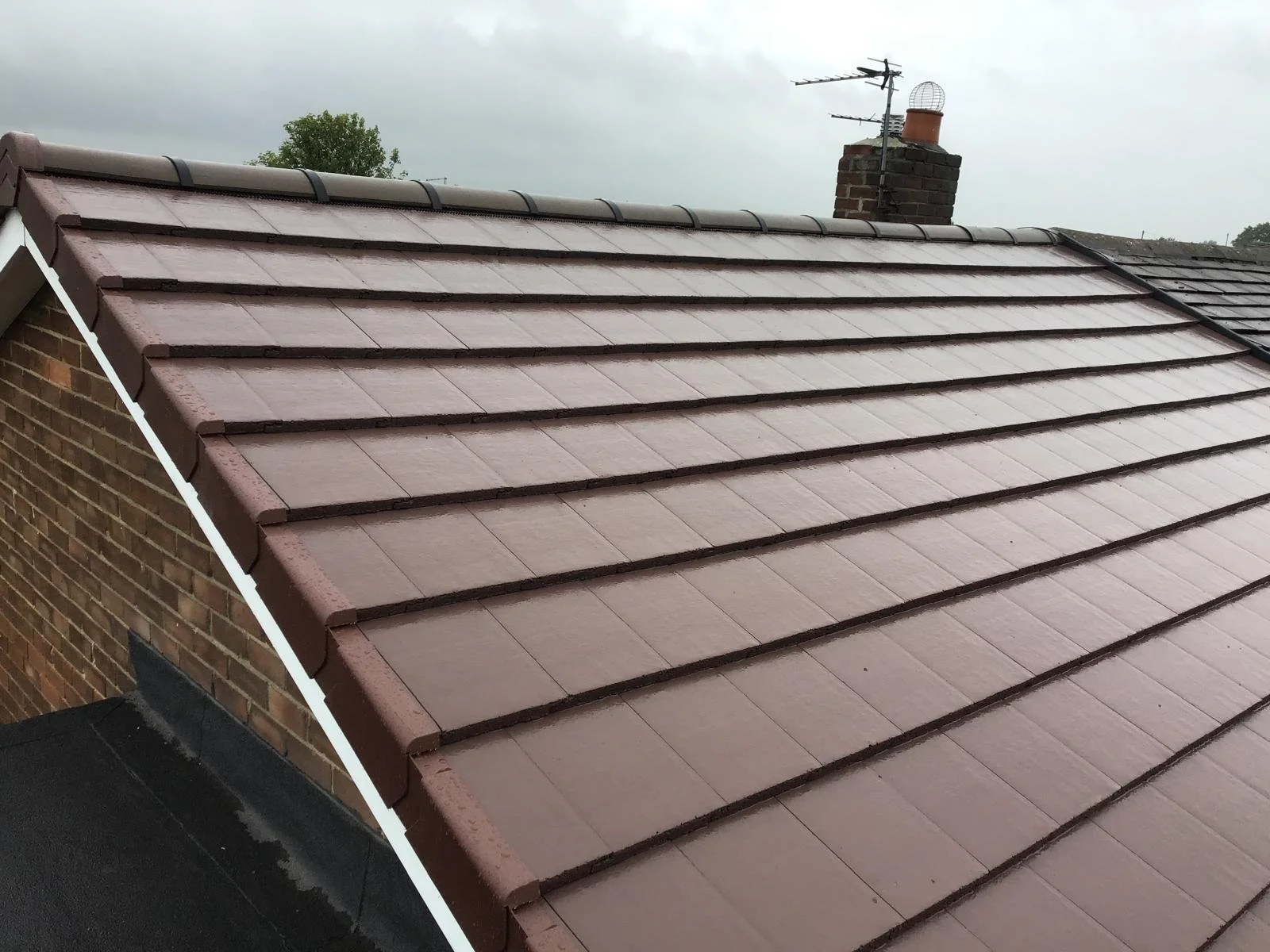
One slipped slate or a cracked ridge is a repair. When damage is spread across a large part of the roof, the felt has failed in many places or the battens are rotten, patching usually stops making sense. Each repair fixes one spot while the rest of the roof keeps ageing.
We get on the roof, take photos and tell you plainly which option is better value. If a repair will buy you years, that is what we quote for. If it is time for a new roof, our guide to how much a new roof costs explains typical UK prices, and our new roofs and re-roofs page shows how we do the work.
06/Common questions
How long does a slate roof last?
Natural slate typically lasts 75 to 100 years or more. The nails and battens usually fail long before the slate itself, so many old slate roofs can be stripped and the good slates reused.
How long does a concrete tile roof last?
Concrete interlocking tiles typically last 40 to 60 years. The surface slowly wears and holds moss, but the tiles usually stay sound for decades.
How long does a flat roof last?
Traditional felt usually lasts 10 to 20 years, GRP fibreglass 25 to 40 years and EPDM rubber 30 to 50 years. How well it was laid, and whether water sits on it, make a big difference.
Can an old roof be repaired instead of replaced?
Often, yes. If the covering is sound and the problem is limited to a ridge, a valley, a flashing or a few slipped slates, a repair is usually the sensible option.
Not sure how long your roof has left?
We survey roofs across Gosforth, Newcastle and North Tyneside, show you photos of what we find and give you a fixed written price for a repair or a re-roof. See our roof repairs and new roofs and re-roofs pages for more.