


Slipped Roof Tiles: Causes, Risks & Repair Costs
Slipped Roof Tiles: Causes, Risks & Repair Costs
Slipped roof tiles and slates are usually caused by corroded nails, broken tile nibs, frost or wind, and they should be refixed quickly before water or the next storm gets under them. A roofer refixes slates with metal tingles or clips and re-nails or clips tiles. Refixing a few slipped tiles or slates typically costs £100 to £400 where access is easy.
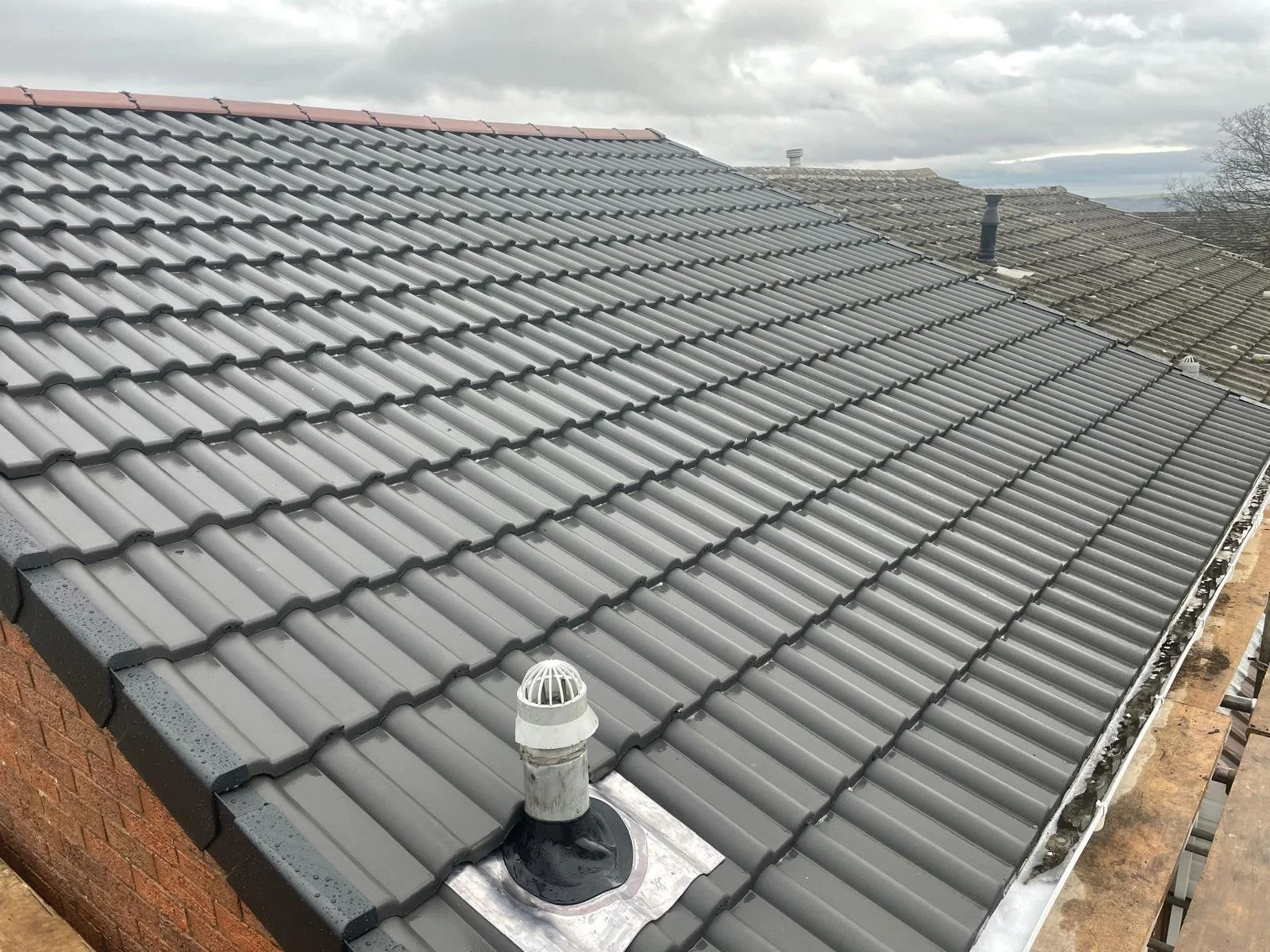
A slipped tile is easy to spot from the street. One slate sits lower than the rest, or a gap shows in a row of tiles after a windy night. It looks like a small job, and often it is. Here is why tiles and slates slip, what happens if you leave them, how we fix them, and when a lot of slipped tiles means the roof itself is tired.
01/What causes slipped roof tiles
Every tile and slate is held by something: nails, clips, or nibs that hook over a timber batten. When one of those fixings fails, gravity does the rest. These are the causes we see most across Newcastle and North Tyneside.
- Nail fatigue. Older slate roofs were often fixed with iron nails. Over decades they rust and snap, and slates start to slide one by one. Roofers call this nail sickness.
- Failed nibs. Concrete and clay tiles hang on small nibs on the back. If a nib cracks or crumbles, an unnailed tile has nothing holding it on the batten.
- Frost. Water soaks into older tiles, freezes and expands. Repeated freeze and thaw weakens nibs and edges until pieces break away.
- Wind and storms. Strong gusts lift tiles at the edges, verges and ridge. Exposed roofs near the coast and on higher ground in the North East take the worst of it.
- Rotten battens. If water has been getting in for a while, the battens soften and nails pull out. Tiles then slip in groups rather than singly.
- Knocks and foot traffic. Aerial fitters, satellite installers and window cleaners leaning ladders on the roof can crack tiles or dislodge slates.
The risks of leaving them
One slipped slate on a sound roof will not bring the ceiling down tomorrow. The problem is what it opens up. The gap lets rain run onto the underlay, which was never meant to be the main barrier. Old bitumen felt on Tyneside terraces is often brittle, and water that gets past it soaks the battens and rafters.
Wind is the other risk. A gap gives the next gust something to grab, so one slipped tile often becomes three after a storm. Water damage spreads quietly too. Damp in the loft, stained ceilings and rotten timber cost far more than a refix. Our guide to water ingress covers the warning signs inside the house.
Slates and tiles are heavy and have sharp edges. If one is hanging over the gutter above a path, a drive or a neighbour's garden, keep people away from that area and get it made safe straight away.
Can you fix a slipped tile yourself?
We would say no. The repair itself is simple. Getting to it safely is the hard part. The Health and Safety Executive says falls from height are one of the biggest causes of workplace deaths and major injuries, and that falls from ladders and through fragile roofs are common causes. That is for trained workers.
A ladder against the gutter gives you no safe way onto a pitched roof. Old slates crack underfoot, so climbing across them usually breaks more than you fix. Most houses in Gosforth, Jesmond and Heaton are two or three storeys, and many have conservatories or bay roofs below. We use roof ladders, towers or scaffold depending on where the slipped tile sits, and we check the slates around it while we are up there.
04/How roofers refix slipped tiles and slates
Tingles and clips for slate
You cannot re-nail a slate in place because its nail holes are covered by the course above. We nail a strip of lead, copper or stainless steel to the batten, slide the slate back up and fold the strip over its tail. Stainless slate hooks do the same job.
Re-nailing or clipping tiles
Concrete and clay tiles can usually be lifted, re-seated on the batten and nailed or clipped. A tile with a broken nib or crack is replaced with a matching one.
Replacing battens
Where tiles have slipped because the battens are rotten, we strip that section, fit new treated battens and underlay where needed, and re-lay the tiles or slates.
Tingles are a standard, reliable repair for the odd slipped slate. Lead tingles can bend open over time on exposed roofs, so we often use copper or stainless clips instead. You can see more on our slating and tiling page.
05/Typical UK costs to repair slipped tiles
| Job | What's involved | Typical cost |
|---|---|---|
| Refix a few slipped slates | Tingles or clips with easy ladder access | £100 – £250 |
| Replace 1 to 6 tiles | Remove broken tiles and fit matching ones | £75 – £400 |
| Replace 5 to 10 slates | New or reclaimed slates fixed with tingles or hooks | £150 – £350 |
| Re-lay a small section | Strip up to around 10m², new battens and underlay, re-lay | £500 – £1,400 |
Access changes the price more than anything. A tower or scaffold typically adds £200 to £800 depending on the height and how much of the roof needs covering. Matching discontinued tiles can also add cost. We give you a fixed written price before any work starts.
Most single refixes are done in under a couple of hours, so you are largely paying for safe access and a skilled pair of hands. If you have more than one small job, such as a cracked ridge or a blocked gutter, doing them on the same visit saves paying for access twice. Our roof repairs page lists what we cover.
06/When lots of slipped tiles means a re-roof
One or two slipped tiles is a repair. A roof where tiles or slates keep slipping every winter is telling you the fixings, battens or tiles themselves have reached the end of their life. These are the signs we look for:
- Slates slipping across several slopes, a classic sign of nail sickness.
- Concrete tiles that are soft, flaking or losing nibs in numbers.
- Rotten battens or torn, brittle underlay visible from the loft.
- Repeat call-outs for the same problem within a few years.
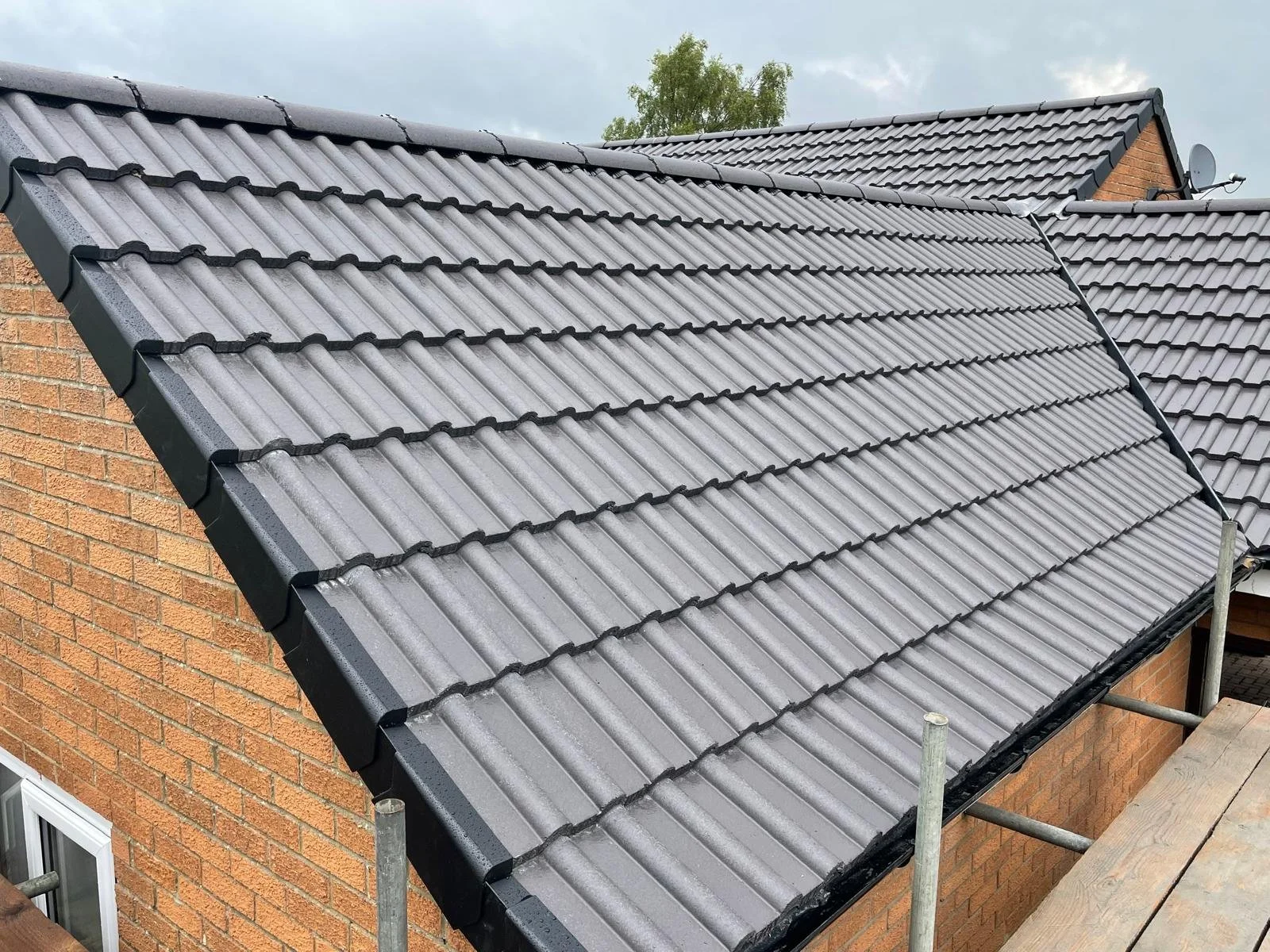
At that point, patching becomes money spent on a roof that will fail again. Our guide to how long a roof lasts explains typical lifespans for slate and concrete tile, and our new roofs and re-roofs page shows how we approach a full replacement. If you want a budget, see what a new roof costs in the UK.
On insurance, storm damage is often covered while gradual wear and tear usually is not. Slates slipping from old nails is normally treated as wear. Our guide on whether home insurance covers roof leaks goes into the detail.
07/Common questions
Are slipped roof tiles an emergency?
Usually not on the day, but get them fixed within days rather than months. If a tile or slate is hanging over a path or water is coming into the house, treat it as urgent and get it made safe.
How much does it cost to fix a slipped roof tile?
Refixing one to a few slipped tiles or slates typically costs £100 to £400 in the UK where a ladder is enough. A tower or scaffold typically adds £200 to £800.
Why do slates keep slipping on my roof?
On older roofs the usual reason is nail sickness, where the original iron nails have rusted through. If slates are slipping across the whole roof, the fixings have failed generally and a re-slate is often better value than repeated repairs.
Can a slipped tile be refixed without replacing it?
Yes, if the tile or slate is undamaged. Slates are refixed with tingles or clips and tiles are re-seated and nailed or clipped. A cracked tile or one with a broken nib is replaced.
Getting slipped tiles fixed
We refix slipped tiles and slates across Gosforth, Jesmond, Heaton, Newcastle and North Tyneside, send you photographs from the roof, and give you a fixed written price. See our roof repairs and slating and tiling pages for related work.