Roof Underlay: Breathable Membranes Explained
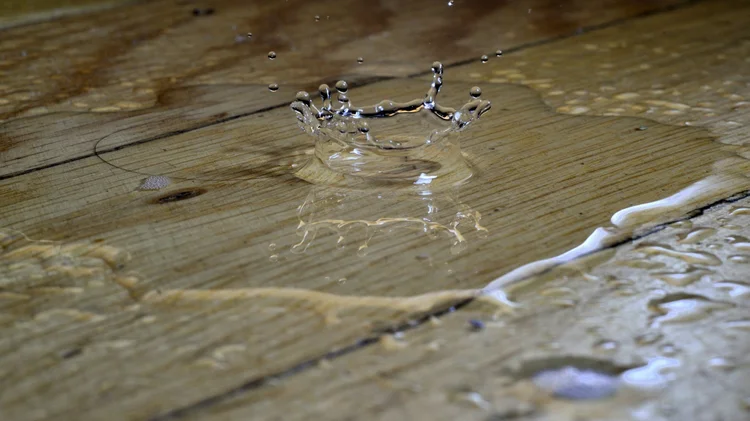
Roof underlay is the sheet under your tiles or slates that catches wind-driven rain and snow that gets past them and carries it down to the gutter. Most new roofs use a breathable membrane, which lets water vapour out of the loft while keeping liquid water out. Old bitumen felt can tear or perish, especially at the eaves.
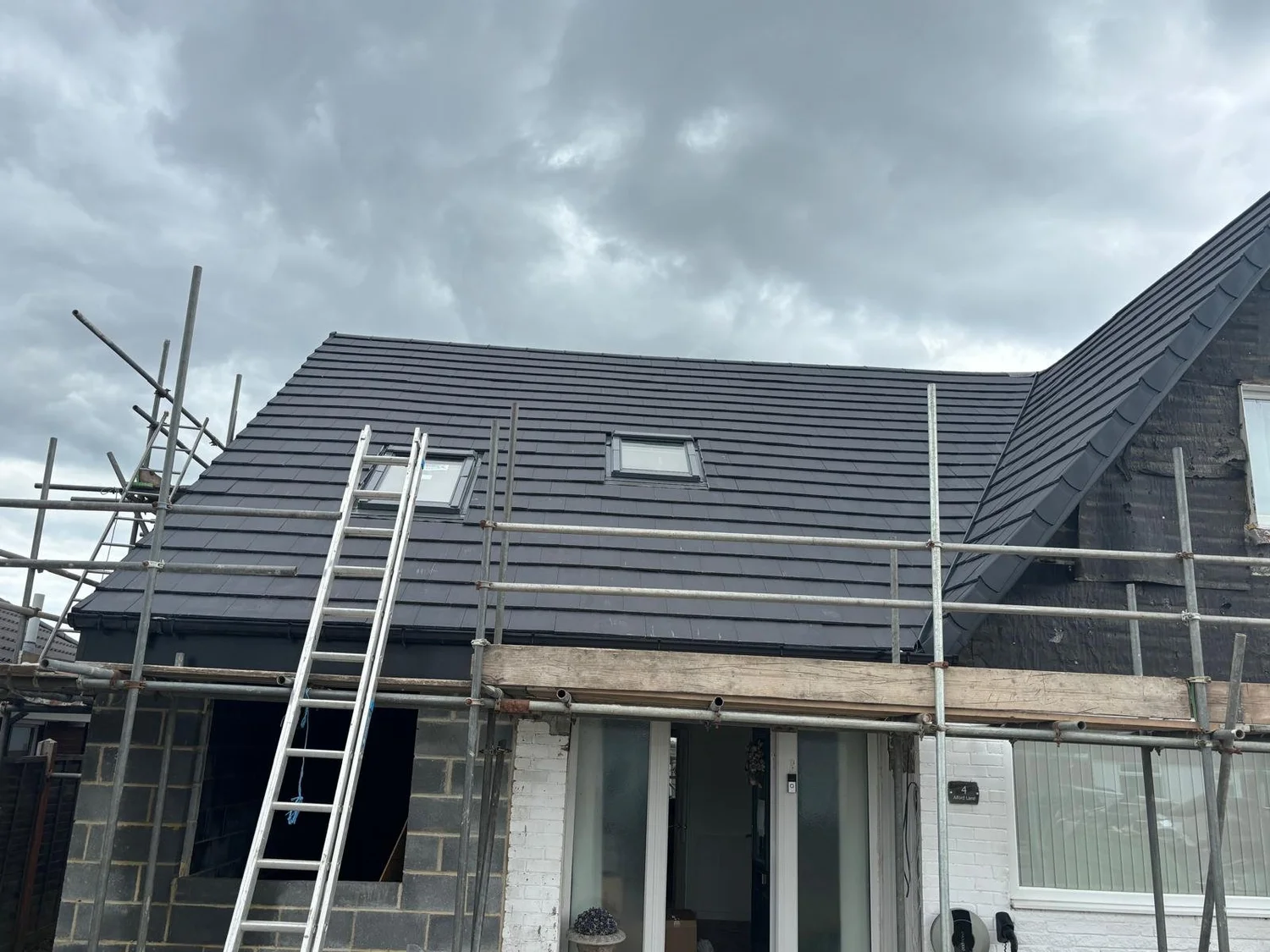
Most people never see their roof underlay, but it does a lot of work. Tiles and slates keep out most of the weather, and the underlay deals with the rest. When it fails, you usually find out through a damp loft, rotten battens or water at the eaves.
01/What underlay does
Tiles and slates overlap, but strong wind can still drive rain and fine snow through the gaps. The underlay sits under the battens and catches that water, carrying it down and out into the gutter. It also reduces wind pressure lifting the tiles from underneath. It is a second line of defence, not the main waterproof layer.
02/Types of underlay
Bitumen felt (1F)
The black felt used on most UK roofs until the 2000s. Not breathable, so the loft relies on vents at the eaves and ridge. It becomes brittle and can perish where it dips into the gutter.
Low resistance breathable membrane
The most common underlay on new roofs. Lets water vapour pass through easily, which helps reduce condensation in the loft.
High resistance membrane
Breathes less freely, so the roof needs separate ventilation at the eaves and ridge, much like old felt.
Eaves support trays
Rigid trays at the bottom of the roof that stop underlay sagging and rotting where it meets the gutter.
Why ventilation still matters
Breathable does not mean no ventilation is needed. Warm, moist air from the house rises into the loft and, if it cannot escape, condenses on the cold underside of the roof. That is why many re-roofs include eaves and ridge ventilation as well as a breathable membrane. Our guide to damp lofts and roof ventilation explains how to spot a condensation problem.
04/Signs your underlay has failed
- Felt that is torn, flapping or has crumbled away, often seen from the loft
- Daylight visible between the tiles from inside the loft
- Damp or rotten battens and rafters
- Rot or staining at the eaves where old felt has perished in the gutter line
- Persistent drips after wind-driven rain with no obvious damaged tile
Can underlay be replaced without a new roof?
Not properly. The underlay sits under the battens, so replacing it means lifting the tiles or slates, renewing the battens and relaying the roof. Localised repairs are possible at the eaves, where felt most often rots, by stripping the bottom courses and fitting eaves trays and new membrane. If the felt has failed across the whole roof, a re-roof is usually the answer, and most tiles or natural slates can often be reused.
Re-roofing more than a quarter of a roof normally falls under building regulations, which cover insulation and ventilation. Our building regulations guide explains what needs approval.
What it costs
Underlay is part of a re-roof rather than a separate job, and the membrane itself is a small part of the price. The main costs are labour, scaffolding, battens and any replacement tiles. Our guide to the cost of a new roof gives typical prices, and our new roofs and re-roofs page explains how we do it.
Getting a price
Worried about damp in your loft or perished felt at the eaves? We will check it, send you photos and give you a fixed written price for the right repair or re-roof.