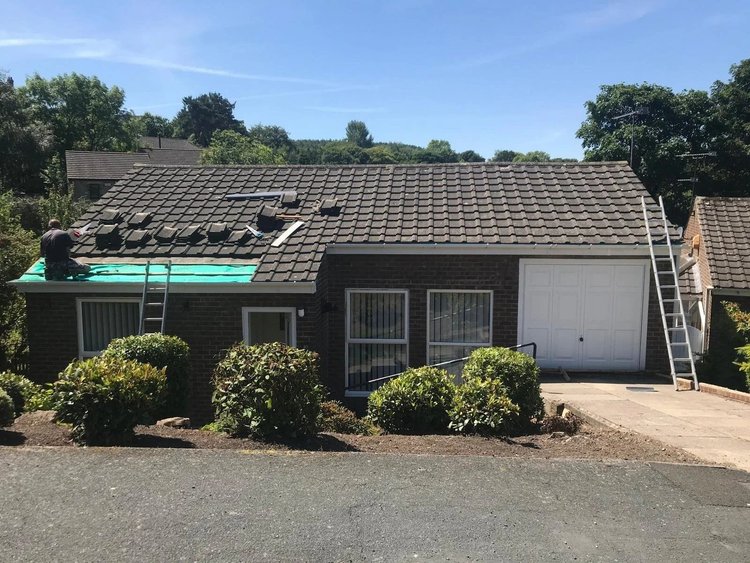
Roof Sealant: Does It Actually Work?
Roof sealant can stop a leak for a while on small cracks, flat roof splits and around fixings. It is not a repair for slipped tiles, failed lead flashing or a worn-out flat roof. Applied over the wrong problem it traps water and makes the proper repair harder and dearer.
We are often called to leaks that have already been "fixed" with a tube of sealant, sometimes several times. Sealant has its place, but on most pitched roofs it treats the symptom and hides the cause. This guide explains where it works, where it does not and what to do instead.
01/The main types of roof sealant
Bitumen mastic
Black, sticky and cheap. Fine for small temporary patches on felt, but it dries out, cracks and is messy to remove later.
Silicone and hybrid sealants
Good for sealing around fixings, vents and trims. Not designed to bridge gaps or hold tiles in place.
Liquid rubber and acrylic coatings
Brushed or rolled over a whole flat roof. Can extend the life of a sound roof, but will not save one that is already failing.
Flashing tape
Self-adhesive aluminium or butyl tape. A useful emergency patch, but it lifts in heat and wind over time.
Where sealant is a fair fix
- A small split or blister on a flat roof that is otherwise sound
- Around a vent pipe, aerial bracket or fixing that has worked loose
- A temporary patch to stop water coming in until a proper repair can be done
- Sealing joints in uPVC trims and gutters
Where sealant causes problems
Most pitched roofs are designed to shed water, not to be watertight at every joint. Tiles overlap, flashings tuck into walls and water that gets under the tiles runs down the felt to the gutter. Sealant gets in the way of that.
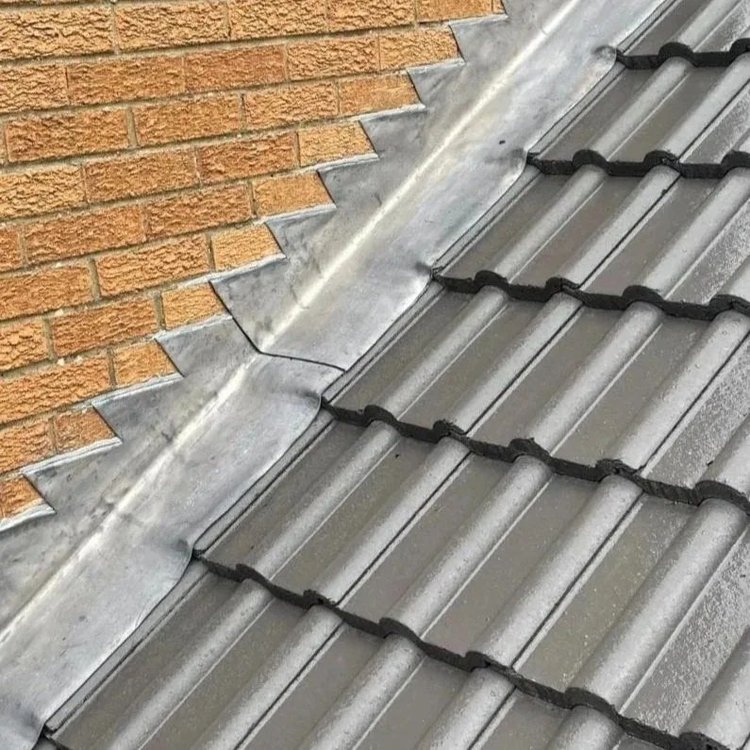
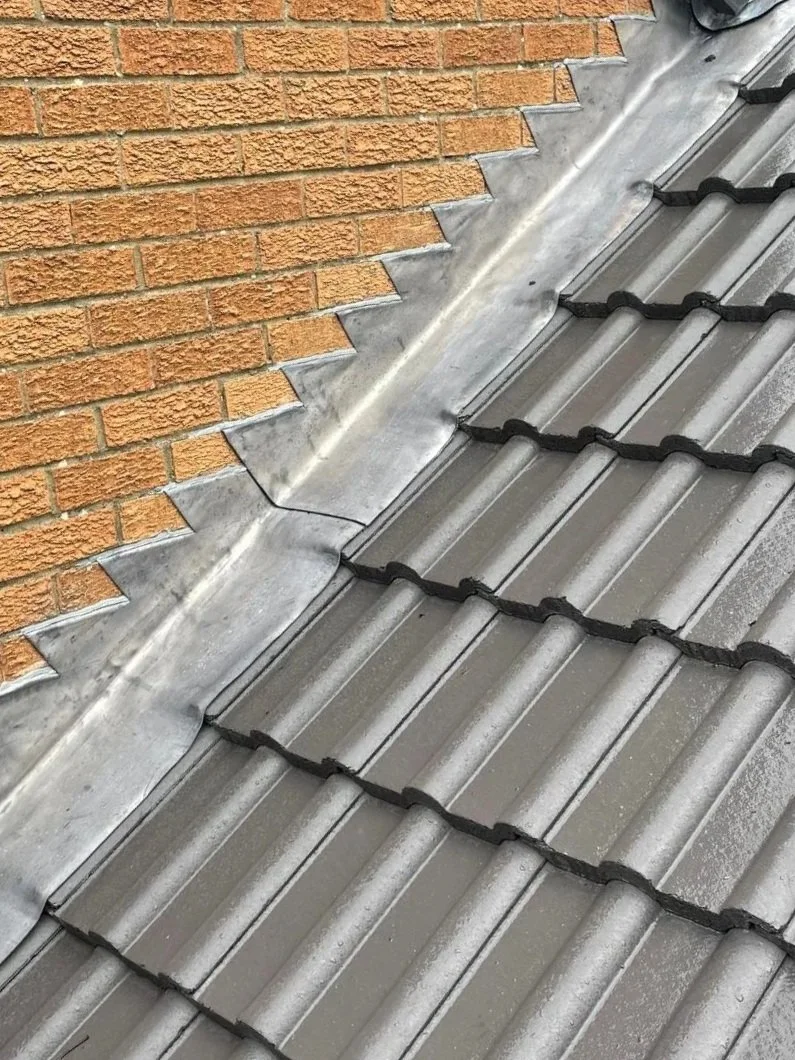
Lead flashing
Mastic smeared along the top of lead flashing instead of repointing it into the wall usually fails within a year or two and makes the lead harder to reuse.
Slipped tiles
Gluing a slipped tile back in place hides a failed nail or batten. The tiles around it are often next.
Ridge and verge
Sealing over cracked mortar traps water in the joint, which then freezes and breaks it up faster.
Valleys
Patching a split lead or felt valley with sealant rarely lasts; valleys carry a lot of water.
Spray foam is sometimes sold as a way to hold tiles in place and stop leaks. It can trap moisture against roof timbers, it makes future repairs much harder, and many surveyors and mortgage lenders now flag it as a problem when a house is sold.
Liquid roofing versus a new flat roof
Liquid coatings work best on a flat roof that is still sound, dry and well drained. If the deck is soft, water ponds for days, or the existing covering is split in many places, a coating will not last. In that case a new EPDM rubber roof or felt flat roof is the better investment.
05/What a proper repair costs
Most proper repairs are not expensive. Refixing a few slipped tiles typically costs £150 to £350, and repointing or renewing a section of lead flashing £250 to £700. Our roof repair cost guide gives typical prices for common jobs, and our lead flashing guide explains why flashing fails.
Getting a price
If you have a leak, we will find the cause, show you photos and give you a fixed written price to repair it properly, not cover it up.