


Chimney Leaking When It Rains? How to Find the Cause
The usual causes are failed lead flashing where the stack meets the roof, cracked flaunching around the pots, porous brickwork or worn pointing, and an open pot with no cap or cowl. Where the damp shows, and what kind of rain sets it off, usually points to which one it is. A damp chimney breast that appears in cold dry weather is more likely condensation than a leak.
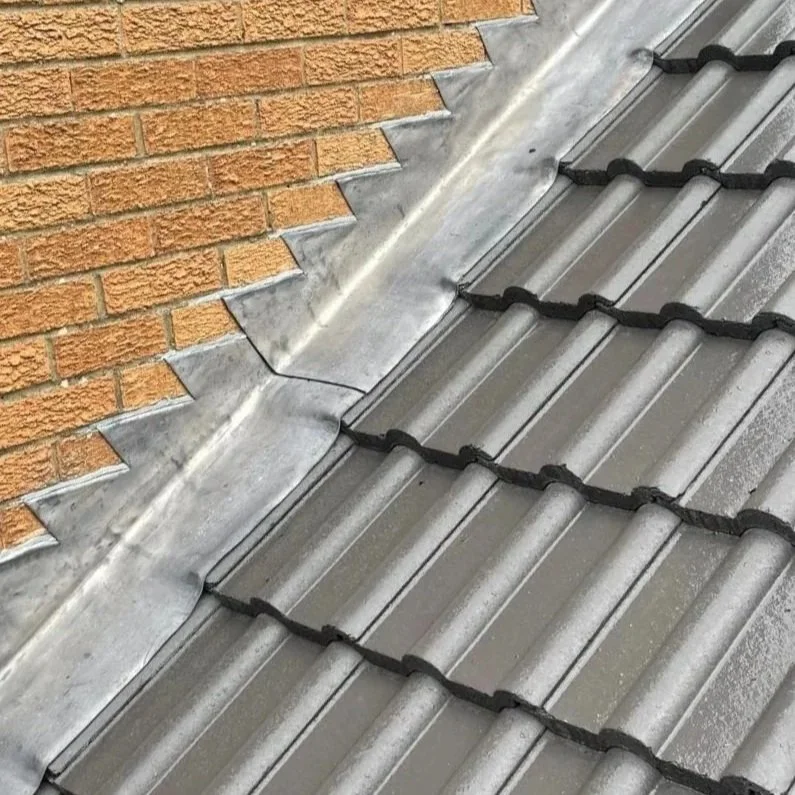
A chimney leaking when it rains is one of the most common calls we get across Gosforth, Jesmond and Heaton. Most Tyneside terraces and semis have a brick stack that has stood in North East wind and rain for a hundred years or more. When it starts letting water in, the trick is working out where. This guide covers the usual causes, what you can safely check yourself and how each one is put right.
01/Common causes of a chimney leaking when it rains
A chimney is a brick tower poking through your roof, open at the top. Water can get in at several points, and more than one can fail at once.
Lead flashing
The lead that seals the joint between stack and roof splits, lifts or slips out of the mortar joint. Water then runs straight down the brick into the roof.
Flaunching
The sloped mortar on top of the stack that holds the pots in place. Once it cracks, rain sits in the gaps and soaks down through the stack.
Porous brickwork
Old, soft or spalled bricks act like a sponge in long spells of rain, and the stack slowly wets through.
Failed pointing
Mortar joints wash out over the years. Open joints let wind-driven rain straight into the core of the stack.
Open pots
A pot with no cap or cowl lets rain fall straight down the flue. On a disused fireplace it collects at the bottom and stains the breast.
Condensation
Moisture in a sealed, unventilated flue can look exactly like a leak. It is a different problem with a different fix.
Is it rain, or is it condensation?
Before anyone goes up a ladder, rule out condensation. The two can look the same on a chimney breast, a brown stain with a damp, musty smell.
A rain leak follows the weather. It appears during or soon after rain, gets worse in long wet spells and dries out in a settled week. Condensation follows the temperature and the way the house is used. It shows up in cold weather, often with no rain at all, and is common on disused flues that have been sealed top and bottom.
Old fireplaces leave soot and salts in the flue. Those deposits draw in moisture and can bring brown, tarry stains through the plaster even when the stack itself is dry. Official guidance on traditional chimneys says unused flues should be capped to keep rain out while still letting air move through, and should not be sealed completely. If your fireplace has been bricked up with no vent, check that first. Our guide to loft condensation and roof ventilation covers the wider picture.
03/What you can safely check yourself
Do not climb onto the roof or lean a ladder against the stack. Chimneys are high, the slates are slippery when wet, and old flaunching and pots can come loose. You can learn a lot from the ground and from the loft.
From the ground
- Use binoculars or a phone camera on full zoom. Look at the lead where the stack meets the roof. Is it lifted, split or hanging away from the brick?
- Check the top of the stack. Cracks in the flaunching, a leaning pot or bits of mortar in the gutter are warning signs.
- Look at the brick faces. Recessed joints, crumbling faces, dark wet patches long after rain, or plants growing out of the stack all mean water is getting in.
- See whether each pot has a cap or cowl. An open pot on a fireplace you never use is an easy route for rain.
From the loft and inside
- If you can get into the loft safely, go up with a torch during or just after heavy rain. Look at the timbers and felt where they meet the stack.
- Note which side is wet. Damp on the uphill side often points to the back flashing, where water collects behind the stack.
- Feel the brickwork inside the loft. Damp all the way up the stack, above the roof line, suggests water coming through the bricks or down from the top.
- Take photos and note the date and the weather each time it shows. That record saves a lot of guesswork later.
Matching the symptom to the cause
No table replaces a proper look at the stack, but these patterns come up again and again.
| What you see | Likely cause |
|---|---|
| Drips or wet timber in the loft right at the base of the stack | Lead flashing or the soakers under it |
| Stain on the ceiling next to the chimney breast after heavy rain | Flashing, often at the back of the stack |
| Damp brick in the loft above the roof line | Porous brick, open pointing or failed flaunching |
| Water or debris in a disused fireplace | Open pot with no cap or cowl |
| Leak only in wind-driven rain from one direction | Pointing or brick on the exposed face |
| Brown stain on the breast in cold, dry weather | Condensation in a sealed flue |
Wind-driven rain is the one that catches people out in the North East. A stack can be dry for months, then leak in a single south-westerly storm that pushes water sideways into joints that normal rain never reaches.

How each chimney leak is fixed
Flashing. Small splits can sometimes be repaired, but lead that has lifted, slipped or been patched with sealant usually needs replacing. New lead is cut to suit the stack, tucked into a raked-out mortar joint and dressed down onto the roof. Our lead flashing guide explains the parts and why cheap fixes fail.
Flaunching. Cracked flaunching is broken out and re-laid in fresh mortar, and any loose pots are re-bedded at the same time. This is high work and needs safe access.
Pointing and brickwork. Washed-out joints are raked out and re-pointed. Badly spalled bricks can be cut out and replaced. On older stacks the mortar should suit the brick, which on many period houses means lime rather than hard cement.
Pots and cowls. A disused flue can be capped with a ventilated cap or cowl that keeps rain out but lets the flue breathe. If you still use the fireplace or a stove, the cowl has to suit the appliance, so speak to your sweep or installer as well.
Condensation. The fix is airflow. That usually means a vented cap at the top and a vent where the fireplace has been blocked up. No amount of roof work cures a flue that cannot breathe.
For typical prices on each of these jobs, see our guide to chimney repair costs. Scaffolding or a tower is often needed to reach a stack safely, and that has a big effect on the final figure.
Do not leave a chimney leak to see if it settles. Water soaking into a stack can rot the timbers around it, stain plaster and, over time, loosen the brickwork at the top. A leak caught early is usually a smaller job.
Common questions
Why does my chimney only leak in heavy rain?
Light rain runs off. Heavy or wind-driven rain pushes water into small gaps in the flashing, pointing or flaunching that stay dry the rest of the time. A leak that only shows in storms usually means a small defect, which is easier to fix if it is found early.
Can I fix a leaking chimney myself?
You can check it from the ground and the loft, and you can fit a vent to a blocked-up fireplace. Work on the stack itself is high and dangerous, and sealants applied over failed lead or mortar rarely last. Get a roofer to look at it.
Will capping my chimney stop it leaking?
A cap or cowl stops rain falling down the flue. It will not cure failed flashing, cracked flaunching or porous brick, and a cap that seals the flue completely can cause condensation. Use a ventilated cap on any disused flue.
How do I know if it is condensation or a leak?
A leak follows the rain and dries out in settled weather. Condensation follows cold weather and shows up even when it has been dry, often on a fireplace that has been sealed with no vent.
Chimney letting water in?
We check chimneys across Gosforth, Newcastle and North Tyneside, show you photos of what we find and give you a fixed written price for the repair. See our chimney stacks, lead roofs and valleys, pointing and re-pointing and roof repairs pages for more.